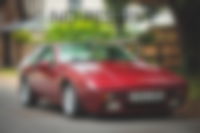



1992 Lotus EXCEL SE

46 Bids
9:45 PM, 24 Jul 2020Vehicle sold
Sold for

£7,113

Background

**Additional service history added**

Without any fanfare or jazz hands, the Lotus Excel quietly set a new benchmark for the legendary Hethel car company when it first emerged in 1982. Investment from Toyota and significant use of the Japanese manufacturer’s parts brought levels of quality and reliability to the Excel that hadn’t been overly conspicuous in earlier models, including the Eclat, from which the Excel was, er, begat.

Toyota had turned to Lotus for help with the engineering work on their Supra. Consequenty, quite a few Supra parts found their way into the original Excel, including the gearbox, driveshafts, rear diff, alloy wheels and door handles.

The Excel benefitted from several major upgrades during its 10 year lifespan. The SE variant, introduced in 1985, sported new bumpers, wing, interior and dashboard. It also introduced a more powerful H.C. (High Compression) version of the all-aluminium, DOHC 2.2 L Lotus 912 slant-four engine. Fed by two 45 mm twin-choke Dellurto carburettors the engine, now with racy red cam covers, received a power increase to 180 hp (134 kW; 182 PS).

The Excel was given a fresh new look in 1989, with a new bonnet and front and rear spoilers, 15 inch OZ alloys and an upgraded interior trim. The newly aerodynamic wing mirrors were donated by the Citroën CX.

The car owed its high level of structural rigidity (and effective immunity to rust) to a body made from vacuum injected resin and mounted onto a galvanised steel chassis.

Being a Lotus, with 50:50 weight distribution and Colin Chapman’s mantra of “Simplify, then add lightness” running through it like a stick of rock, the Excel SE handled and cornered with all the sublime poise and agility one might have hoped for.

The vendor, who knows more about Lotuses than most people could possibly shake a stick at, tells us that he’s been told by more than one retired Lotus engineer that the Excel was probably the best car they ever made. So, there you go.

  • SCC089912NHD13132
  • 94000
  • 1998
  • Manual
  • Red
  • Cream leather

Background

**Additional service history added**

Without any fanfare or jazz hands, the Lotus Excel quietly set a new benchmark for the legendary Hethel car company when it first emerged in 1982. Investment from Toyota and significant use of the Japanese manufacturer’s parts brought levels of quality and reliability to the Excel that hadn’t been overly conspicuous in earlier models, including the Eclat, from which the Excel was, er, begat.

Toyota had turned to Lotus for help with the engineering work on their Supra. Consequenty, quite a few Supra parts found their way into the original Excel, including the gearbox, driveshafts, rear diff, alloy wheels and door handles.

The Excel benefitted from several major upgrades during its 10 year lifespan. The SE variant, introduced in 1985, sported new bumpers, wing, interior and dashboard. It also introduced a more powerful H.C. (High Compression) version of the all-aluminium, DOHC 2.2 L Lotus 912 slant-four engine. Fed by two 45 mm twin-choke Dellurto carburettors the engine, now with racy red cam covers, received a power increase to 180 hp (134 kW; 182 PS).

The Excel was given a fresh new look in 1989, with a new bonnet and front and rear spoilers, 15 inch OZ alloys and an upgraded interior trim. The newly aerodynamic wing mirrors were donated by the Citroën CX.

The car owed its high level of structural rigidity (and effective immunity to rust) to a body made from vacuum injected resin and mounted onto a galvanised steel chassis.

Being a Lotus, with 50:50 weight distribution and Colin Chapman’s mantra of “Simplify, then add lightness” running through it like a stick of rock, the Excel SE handled and cornered with all the sublime poise and agility one might have hoped for.

The vendor, who knows more about Lotuses than most people could possibly shake a stick at, tells us that he’s been told by more than one retired Lotus engineer that the Excel was probably the best car they ever made. So, there you go.

Video

Overview

This Excel SE was manufactured in 1992, the final year of production for the model. It has often been said that the last year of a model’s production is the one when the manufacturer finally gets it right.

This vendor is, by his own admission, a Lotus fanatic. A Chartered Engineer in the aerospace industry, he has spent the last year doing everything that needed doing to this car and even kept a diary of the work to record the highs and lows of his mission to restore its mechanical (and electrical) integrity to the full. To read it is to feel his joy and pain. You’re right there with him when he’s adjusting the tension on the cam belt. You can feel beads of sweat forming on your brow as he wrestles with the lower arm wishbone outer sleeve.

His enthusiasm (and skill, knowledge and expertise) are all good news for any potential buyer. The result of all this hard work is a hopefully well sorted car, and one that should allow you to enjoy the rare driving dynamics and handling characteristics with which the marque earned its enviable reputation.

It’s not perfect, though. Cosmetically, there are one or two issues to address, , and there’s certainly nothing that couldn’t be rectified with a little elbow grease or a few hundred quid if you felt so inclined.

Exterior

This Excel SE is ‘Silk Red’ and has a fully functioning tilting sunroof. What it doesn’t have, of course, is any rust on the resin bodywork. But it does have patches on the bonnet and roof where the lacquer has peeled off and there’s been some discolouration as a consequence.

You’d be hard pressed to spot these flaws and any other scuffs or scratches from 20 yards on a dull afternoon, but up close, both panels are clearly in need of future attention. The vendor investigated the price of respraying the roof and bonnet and was quoted something in the region of £700. Whether or not you think the work needs doing is, of course, entirely up to you. The rest of the paintwork is generally fine.

The car’s original alloy wheels are in very good condition, and, significantly, wear new Yokohama tyres.

The shut lines are tight and even. The panels are straight and aligned. The windscreen is new.

Clearly, this car has pop-up headlights. While these are currently very good at popping up, they’re very bad at being headlights. The vendor tells us that they were working just fine when he drove the car over 100 miles to us. He thinks the problem probably lies with a faulty relay – which is a cheap and easy fix.

The car’s front fog lights have been repurposed as daytime running lights by the vendor.

Interior

The leather upholstery was originally ‘Sand Hide’ but has at some point been recoloured to a light cream shade (almost white), which has the effect, along with the cream carpets, of making the interior a very bright and airy place to be. The works have been completed by a previous owner and are, if we are honest, not the greatest and definitely show how a well-meaning DIY’er can be a dangerous weapon when let loose with a paintbrush (We’ve all been there, looked back at a job and wondered if we’ve made things worse, not better…). The leather itself underneath appears is in good shape, and the carpets and headlining are reportedly relatively new.

The original steering wheel is in good condition, as is the gear lever and fascia, and the dashboard houses a delightfully purposeful array of black dials set in a glossy wood veneer panel. The vendor reports that all dials etc work well.

The AC has recently been re-gassed and blows impressively cold. The boot, which is a usable size, is tidy and houses a full-size spare wheel.

The vendor tells us that the car is a very comfortable place to be on a long drive, with excellent, supportive seats and a very good driving position.

Mechanical

The undersides are in good condition and the engine bay is tidy.

The car has a comprehensive service history and a brand new MOT with no advisories.

The car drives as it should, pulling well in all gears. The vendor also has a ‘baby’ Elan and says that this Excel SE drives much the same, only ‘bigger’.

The car has adjustable suspension all round, which is currently set towards the firm end of the spectrum because that’s the vendor’s preference.

The vendor has fitted an electronic fuel sender, which means the car no longer says it’s run out of petrol every time it goes round a left-hand bend, and has had the carbs serviced and the engine professionally tuned. He has also fitted a 123 ignition system and mappable distributor.

The exhaust system is stainless steel and is either just noisy enough or too noisy, according to your preference in these matters.

The engine came through with flying colours on a recent compression test and it neither burns nor leaks oil.

History

The amount of work done on the vehicle by the vendor in the last year is, frankly, extraordinary. You can see for yourself in the accompanying documentation.

The highlights include a full refurbishment of the suspension and braking systems, a new clutch, carburettor servicing and tuning, new cam belt, new tyres and a new windscreen. The engine has been out, the doors have been off, the central locking has been returned to life, the electrics have been thoroughly overhauled (dodgy headlight relay apart). If it hasn’t been replaced, it’s been refurbished, and if it hasn’t been refurbished it’s been inspected. Proper job.

As an aside, you may have noticed that some of the attached documentation from Lotus states that the information provided does not apply to the USA specification models. Which is a bit odd because, according to Lotus’ own records, only one Excel was ever manufactured to USA specifications, largely because American emission regulations effectively neutered the car and hobbled its performance.

In addition to two keys, it comes with a number of expired MOT certificates plus a sheaf of invoices and bills to confirm the work that has been done to it over the years.

Summary

This car is a mechanical testament not just to the skill and vision of its original designers and manufacturers, but to the passion and expertise of its last owner. It drives and handles just as a thoroughly well sorted Lotus should and it is authentic in every respect.

That authenticity extends, however, to some cosmetic flaws that you might want to consider. You could take it to the next level and sort out every blemish and imperfection, or you could leave it as it is and just drive the thing. Now if you happened to own a broken or ‘lightly-crashed’ Excel with a lovely leather interior, think of the opportunities...

It is, as is often the way with Lotuses, a bit quirky, but we think none the worse for that. Our estimate is £5,000 to £7,000.

Talking of quirky, it comes with a letter from the first owner to the Editor of Autocar and Motor magazine in which the owner states that, after reading the magazine’s review of the Mazda RX-7, she did as the journalist advised and bought a Lotus Excel SE instead.

Marvellous.

Viewing is always encouraged, and this particular car is located with us at The Market HQ near Abingdon; to arrange an appointment please use the Contact Seller button at the top of the listing. Feel free to ask any questions or make observations in the comments section below, or try our ‘Frequently Asked Questions’. 

About this auction

Seller

Private: robbearne


Viewings Welcome

Viewing is strongly encouraged, and is strictly by appointment. To book one in the diary, please get in contact.

preview-CA528C6A-8EA6-4213-96EE-ADD9FF76BB3C.jpg?optimizer=image&width=650&quality=90 image

Thinking of selling your Lotus