


Background
When CAR magazine lined up the Turbo Esprit against the Ferrari 308 GTB in 1981, the Lotus lost only in the category of ‘emotional appeal’ (whatever that means). It won on performance, handling and driver appeal. And it deserved to.
The Esprit is a simple car at heart, comprising a glassfibre body on a steel backbone chassis. Inboard rear disc brakes add a touch of racing heritage and its gearbox is shared with the Citroen SM and Maserati Merak. Simple it might have been but it also ended up tipping the scales at under a tonne – and handled as brilliantly as every Lotus should.
As is almost always the case with Hethel-fettled cars, the genius lay in the way the Esprit was tuned and set up. But while it was an absolute delight to drive, the fine handling and more-than-acceptable ride merely underlined just how underpowered the early cars were.
The Series 2, or S2, cars offered tweaked styling and (eventually) a 2.2-litre engine with the same power output but 20lb/ft more torque, which made them usefully, but only marginally, quicker than the early S2 and S1 cars.
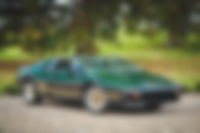
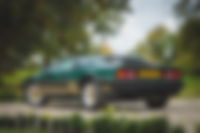
The Essex Turbo Esprit, named after the Essex Overseas Petroleum Corporation rather than the county, was born in 1980. Boasting 210bhp and 200lb/ft of torque underneath blue, red and chrome livery, the Esprit finally went as well as it handled. A top speed of 150mph and a 0-60mph time of just over six seconds added a good 20mph to the top speed and slashed two seconds off the acceleration time.
The S3 and Turbo Esprit arrived in April 1981, offering the same power but fresh styling.
Just over 10,000 Esprits were built over the years. Because they’re made of fibreglass and won’t rust, there’s a surprising number still going strong today.
But there’s only one like this…..