

Background
*** RESERVE LOWERED ***
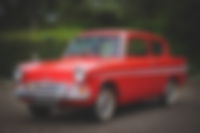
The fourth generation of Ford Anglia, the 105E was launched in the same year as the Mini and Triumph Herald. Not as ground-breaking as the former, it joined the Herald in aping the American cars of the period with their tailfins, prominent hooded headlamps, and reverse-rake rear window.
Scaled down, of course because while the Anglia might have lent heavily on its American brethren, it also had to be small, economical, and handle better than the sort of land yachts that middle-class England was starting to admire on their new-fangled black-and-white TVs.
So, Ford slotted a tiny 997cc, over-square ‘Kent’ engine under the bonnet and connected it to a four-speed manual gearbox. Available as a two-door saloon, a three-door estate and a two-door panel van, it weighed just 737kgs, enabling even its diminutive engine to push it along at respectable speeds, all the while returning well over 40mpg.
An all-synchromesh ‘box appeared in September 1962, and the vacuum-powered wipers were replaced with more modern – and reliable – electric units at the same time. The Anglia Super 123E arrived in 1962 with a larger 1198cc engine and a few more touches of luxury.
Wonderfully, 24-year-old twins Tony and Michael Brookes fitted a £13 Ford performance kit to their Anglia 105E in October 1962 - and waltzed off with six world records, with an average speed of 83.47mph. The standard Anglia 105E, by way of comparison, had a top speed of just under 74mph and a 0-60mph time of 26.9 seconds, or about the time that Captain (now Colonel) Tom takes to lap his garden.
Always popular, the Anglia set a new production record for Ford in 1960 as the Dagenham plant churned out 191,752 in a year and went on to sell more than a million before it was finally replaced by the Escort in 1967.
A staple of the small screen, it made appearances in Z-Cars, Heartbeat, and as Vyvyan Basterd’s car in The Young Ones. Most, however, will remember the Anglia as the flying car in Harry Potter and the Chamber of Secrets.
However, the attrition rate is high and only around 560 are still believed to be registered in the UK today, which adds a bittersweet appeal to our next auction listing.